
We offer a wide collection of free, high-quality printable coloring pages for kids and adults. From cute animals to intricate mandalas, our designs bring creativity and relaxation to everyone. Download, print, and start coloring today!

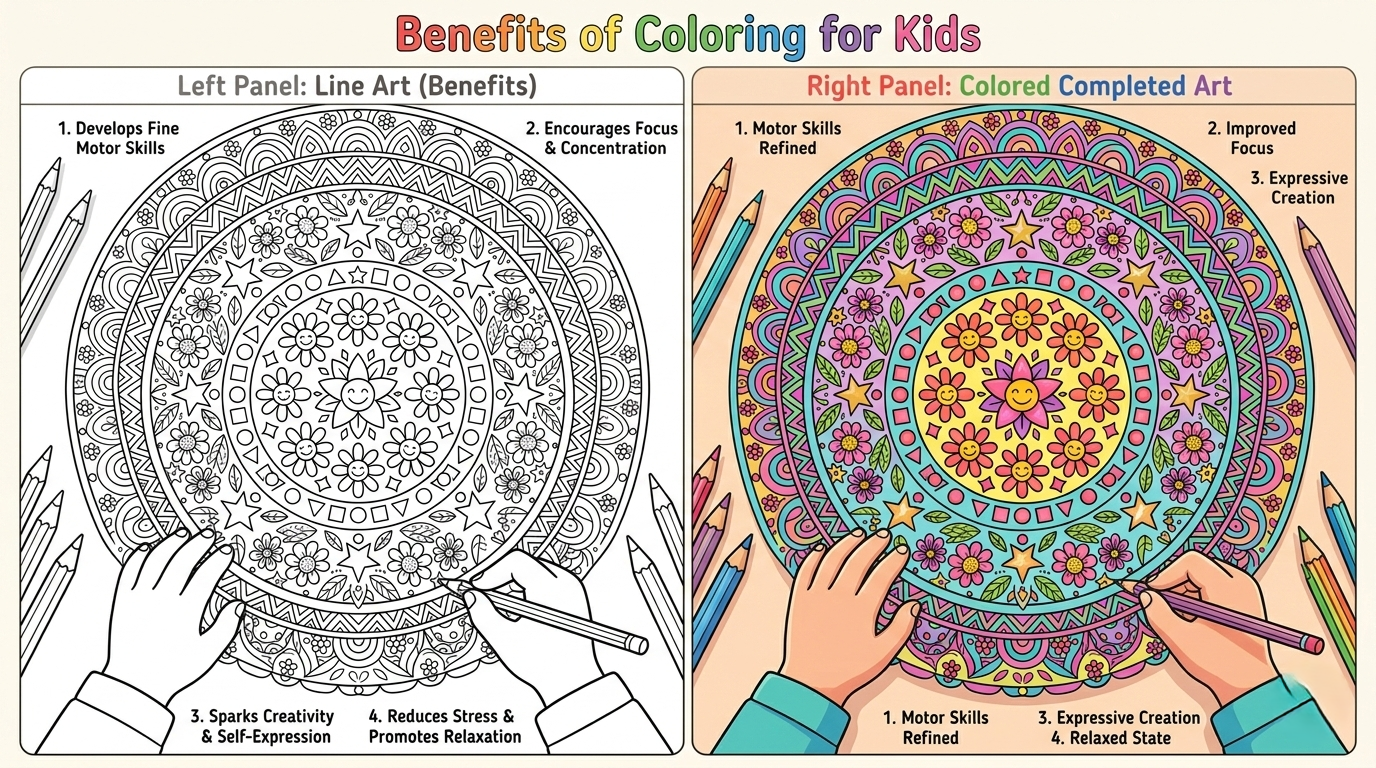
Table of Contents
Introduction
Coloring pages for kids may look like a simple childhood pastime, but in reality, they are powerful tools that support a child’s overall growth and development. What appears to be just crayons on paper is actually a meaningful learning experience that strengthens essential skills naturally and enjoyably. From the moment a child picks up a crayon and begins to explore colors, shapes, and lines, important developmental processes are taking place. Coloring is not only fun — it is foundational.
In today’s fast-paced digital world, children are surrounded by screens. Tablets, smartphones, and televisions often dominate daily routines, leaving little space for quiet, hands-on activities. Printable coloring pages offer a refreshing and healthy alternative. They provide a screen-free activity that encourages focus, creativity, and independent thinking. Unlike many digital games that overstimulate the brain, coloring creates a calm environment where children can slow down, concentrate, and express themselves freely.
One of the most significant benefits of coloring pages for kids is the development of fine motor skills. When children hold crayons, markers, or colored pencils, they strengthen the small muscles in their hands and fingers. These movements — gripping, pressing, and carefully staying within lines — prepare them for writing, drawing, and other detailed tasks. Over time, this practice improves hand-eye coordination and builds the control needed for academic success. What seems like simple coloring is actually early preparation for handwriting and classroom activities.
If you would like to explore this topic further, learn more about how coloring improves fine motor skills in our detailed guide.
Beyond physical development, coloring also supports cognitive growth. As children choose colors, decide how to fill spaces, and experiment with different combinations, they are making creative decisions. This process enhances problem-solving skills and encourages independent thinking. Printable coloring pages featuring animals, letters, numbers, or themed illustrations can also reinforce educational concepts in a playful way. Learning through creativity feels natural and enjoyable, making it easier for children to retain information.
Creativity is another major advantage of coloring activities. Unlike structured academic tasks with fixed answers, coloring allows for open-ended expression. A tree does not have to be green, and the sky does not have to be blue. Children can use their imagination to create their own colorful world. This freedom builds confidence and nurtures artistic exploration. When children see their finished artwork, they experience a sense of pride and accomplishment that strengthens self-esteem.
Coloring pages are also known to support emotional development. The repetitive motion of coloring has a calming effect and can help reduce stress or anxiety. For children who may struggle to express their emotions verbally, art becomes a safe outlet. Through colors and images, they can communicate feelings that are difficult to explain in words. This emotional expression is especially valuable in early childhood, when language skills are still developing.
Another powerful benefit of printable coloring pages is accessibility. They are affordable, easy to download, and suitable for different age groups. Parents and teachers can quickly print themed pages for holidays, seasons, educational topics, or specific interests. Whether it is alphabet coloring pages for preschoolers or more detailed designs for older children, there are endless possibilities. This flexibility makes coloring an ideal activity for homes, classrooms, travel, or quiet time.
Coloring also encourages patience and focus. Completing a coloring page requires attention to detail and sustained concentration. In a world filled with constant notifications and distractions, developing the ability to focus on one activity is an essential life skill. Even short coloring sessions can train children to slow down and stay engaged with a task from beginning to end.
Importantly, coloring can strengthen family connections. When parents sit down to color with their children, they create meaningful bonding moments. Conversations flow naturally during creative activities, allowing parents to understand their child’s thoughts and feelings better. These shared experiences build trust and positive memories that last beyond childhood.
Educators also recognize the educational power of coloring pages. They can be used to introduce new topics, reinforce lessons, and provide creative breaks between structured learning sessions. Coloring supports visual learning and helps children process information in a relaxed environment. When learning feels enjoyable, motivation increases.
In essence, coloring pages are far more than simple entertainment. They combine creativity, education, emotional support, and skill development into one engaging activity. Printable coloring pages offer a practical, affordable, and screen-free solution for parents and teachers who want to support children’s growth in a balanced way.
Why Coloring Pages Are Important for Child Development
Coloring pages help children practice control over their hand movements, which improves precision and coordination. They also strengthen the connection between visual input and physical action, a skill essential for writing and reading.
In addition, coloring encourages children to recognize shapes, colors, patterns, and boundaries. These foundational skills contribute to early literacy, math readiness, and creative thinking. Beyond academic development, coloring offers a valuable creative outlet where children can express themselves, experiment with ideas, and develop a sense of individuality.
Benefits for Kids
Enhances Creativity
Coloring pages encourage children to explore color combinations, patterns, and artistic styles. By experimenting with different shades and techniques, kids learn that creativity has no limits. This freedom builds confidence and helps them develop original thinking skills that extend beyond art activities.
Improves Focus and Concentration
Completing a coloring page requires sustained attention and patience. Children must stay engaged to finish their artwork, which gradually improves their ability to concentrate on tasks for longer periods. This skill is especially important for classroom learning and daily routines.
Develops Fine Motor Skills
Coloring within the lines strengthens the small muscles in the hands and fingers. These movements improve grip strength and coordination, preparing children for writing and other detailed tasks. Over time, regular coloring practice enhances overall hand control.
Encourages Self-Expression
Art allows children to communicate thoughts and emotions that may be difficult to express verbally. Through color choices and design decisions, they share their perspective and creativity in a safe and positive way.
Provides Relaxation
Coloring has a calming effect on the mind. The repetitive motion and focus required can reduce stress and promote relaxation. It offers children a peaceful break from busy schedules and digital distractions.
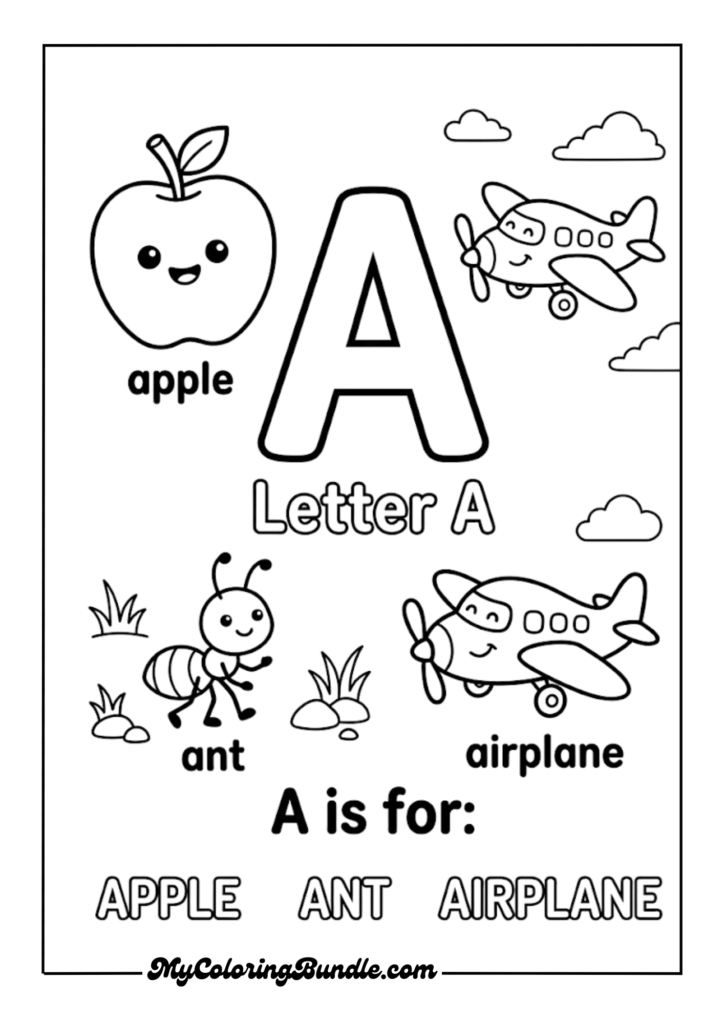
“Learn letters while coloring fun shapes.”
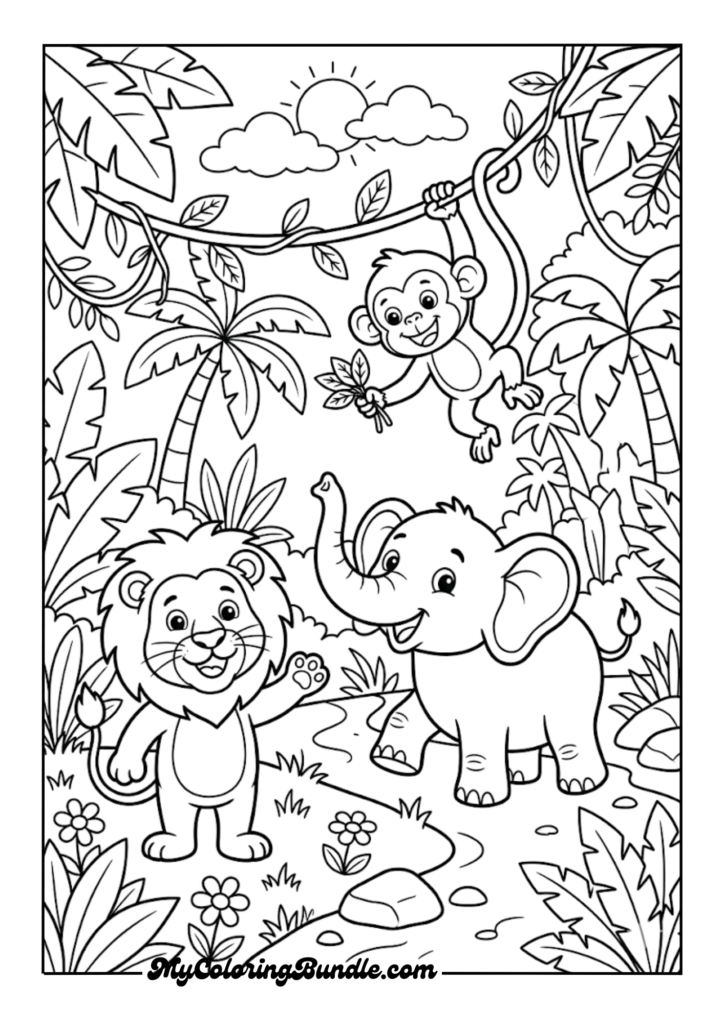
“This animal coloring page is fun and educational.”
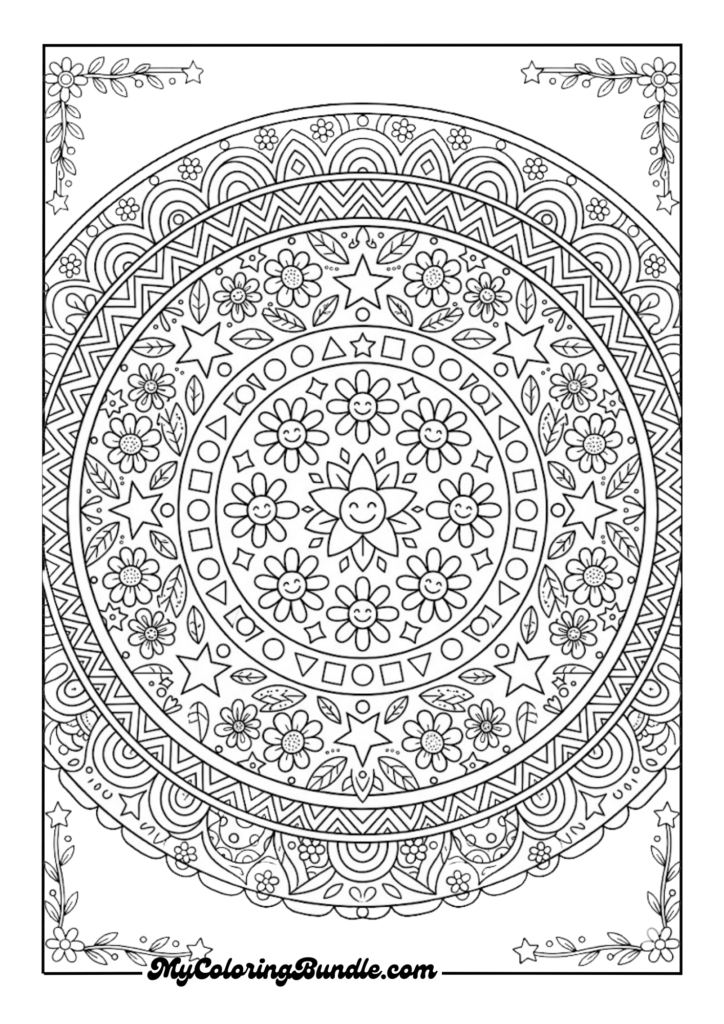
“Creative mandala designs for children of all ages.”
How to Use Coloring Pages Effectively
- Set a Routine: Encourage your child to color at a regular time each day to build consistency.
- Provide Quality Materials: Use crayons, markers, or colored pencils suitable for their age and comfort.
- Mix Educational Themes: Combine coloring with letters, numbers, animals, or seasonal topics to reinforce learning.
- Praise Effort, Not Perfection: Focus on creativity and effort rather than staying perfectly inside the lines.
- Display Their Artwork: Showing their finished pages boosts confidence and encourages continued creativity.
Free Printable Coloring Pages
Below, you will find a selection of carefully designed printable coloring pages created to support creativity and learning. Each PDF is high-quality and easy to print at home.
👉 Download Your Free Printable Coloring Pages Here
Whether it’s animals, superheroes, or holiday themes, our PDFs are fun, engaging, and perfect for kids of all ages.
Conclusion
Sometimes the simplest activities create the strongest foundations. A single coloring page today may become the first step toward creativity, confidence, and lifelong learning.
Coloring pages are a valuable tool for child development, combining education with enjoyment in a meaningful way. By incorporating coloring into your child’s daily routine, you can improve creativity, focus, and fine motor skills while offering a healthy, screen-free activity they truly enjoy.
Start today by exploring our wide variety of free printable coloring pages and watch your child flourish through art.
FAQ
Q1: Are coloring pages good for toddlers?
Yes. Simple shapes and large patterns are perfect for toddlers to begin developing hand-eye coordination and basic motor control.
Q2: How often should kids color?
Daily coloring, even for just 15–20 minutes, can significantly support concentration, creativity, and motor development.
Q3: Can coloring pages help with learning numbers and letters?
Absolutely. Educational coloring pages featuring letters and numbers are excellent tools for early literacy and number recognition skills.


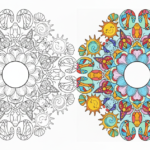

[…] Benefits of coloring pages for kids […]
[…] Benefits of Coloring Pages for Kids […]