We offer a wide collection of free, high-quality printable coloring pages for kids and adults. From cute animals to intricate mandalas, our designs bring creativity and relaxation to everyone. Download, print, and start coloring today!

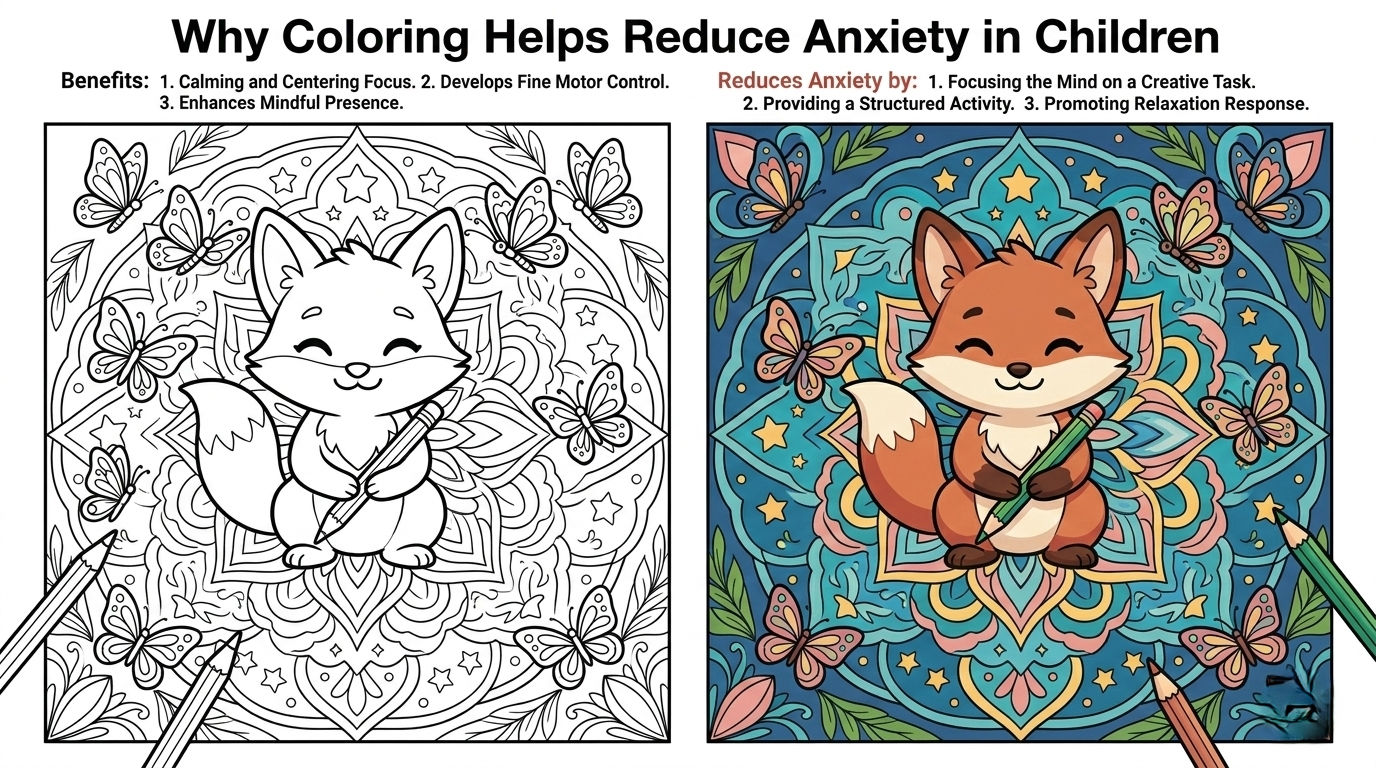
Table of Contents
Introduction
Why coloring helps reduce anxiety in children is an important topic for many parents and educators today. In a world where children face school pressure, busy schedules, and increasing exposure to digital screens, finding simple activities that support emotional well-being has become more important than ever. Coloring is one of the easiest and most effective ways to help children relax, express their emotions, and develop a sense of calm.
Understanding why coloring helps reduce anxiety in children begins with recognizing how creative activities affect the brain. Coloring provides a quiet moment where children can focus on simple movements, colors, and patterns. This process gently shifts their attention away from worries and toward a calming task. As children fill shapes with color, their breathing slows, their muscles relax, and their minds become more focused.
Printable coloring pages offer a structured way for children to enjoy this calming activity. Unlike free drawing, which sometimes feels overwhelming for younger kids, coloring pages provide clear outlines and designs that guide their creativity. This structure allows children to concentrate on choosing colors and filling spaces, which naturally encourages mindfulness and relaxation.
Another reason why coloring helps reduce anxiety in children is the sense of accomplishment it provides. When children complete a coloring page, they see a finished piece of artwork they created themselves. This feeling of success builds confidence and emotional stability. Even small achievements like finishing a picture can make children feel proud and capable.
Coloring also encourages emotional expression. Some children struggle to explain their feelings with words, especially when they feel nervous or overwhelmed. Through colors and creative choices, children can express their emotions in a safe and healthy way. For example, a child might choose bright colors when feeling happy or softer shades when they need comfort and calm.
In today’s fast-paced world filled with digital distractions, coloring offers something children truly need: a peaceful moment of focus and creativity. By providing printable coloring pages regularly, parents can give children a relaxing activity that supports emotional well-being while also encouraging creativity and concentration. This is exactly why coloring helps reduce anxiety in children and why many teachers and therapists recommend it as part of healthy childhood development.

Benefits of Coloring for Mental Health
Coloring is not only an enjoyable pastime but also a valuable activity for supporting a child’s emotional health. When children engage in coloring regularly, they experience several psychological benefits that help them feel calmer and more secure.

Reduces Stress Levels
One of the most important reasons why coloring helps reduce anxiety in children is its ability to lower stress levels. The repetitive movements involved in coloring—such as filling shapes and tracing lines—create a soothing rhythm that helps calm the nervous system. This gentle repetition can reduce feelings of tension and help children relax after a busy or challenging day.
Encourages Mindfulness
Coloring naturally encourages mindfulness, which means focusing attention on the present moment. As children concentrate on colors, patterns, and shapes, their minds shift away from worries and distractions. This type of focus helps them feel grounded and peaceful. Mindfulness activities like coloring are often recommended by educators and child psychologists because they support emotional balance and self-awareness.
Promotes Relaxation
Coloring also promotes deep relaxation. Sitting quietly with crayons or colored pencils creates a calm environment where children can slow down and enjoy a peaceful activity. This quiet time allows their minds to rest and recharge. Many parents notice that children who color regularly tend to feel calmer and more patient.
How to Use Coloring for Calmness
Parents can easily turn coloring into a calming routine that supports emotional well-being. Creating a peaceful environment and encouraging creativity can help children fully experience the relaxing benefits of coloring.
Create Quiet Time at Home
Setting aside a specific time each day for coloring can help children develop a healthy routine. For example, coloring before bedtime or after school can help children unwind and release any stress from the day. Even 15–20 minutes of coloring can make a noticeable difference in a child’s mood.
Play Soft Music While Coloring
Soft background music can enhance the relaxing atmosphere during coloring sessions. Gentle music combined with creative activity helps children feel safe, comfortable, and focused. This environment supports relaxation and encourages children to enjoy the activity without pressure.
Praise Creativity, Not Perfection
It is important for parents to encourage creativity rather than focusing on perfect coloring. Children should feel free to choose any colors they like and explore their imagination. When parents praise effort and creativity instead of perfection, children feel more confident and relaxed during the activity.
Free Printable Relaxing Coloring Pages
To help children enjoy the calming benefits of coloring, printable coloring pages are an excellent resource. They provide a variety of themes and designs that keep children engaged while promoting relaxation and creativity.

Below you can explore our collection of calming coloring pages designed especially for children:
Download Relaxing Coloring Pages
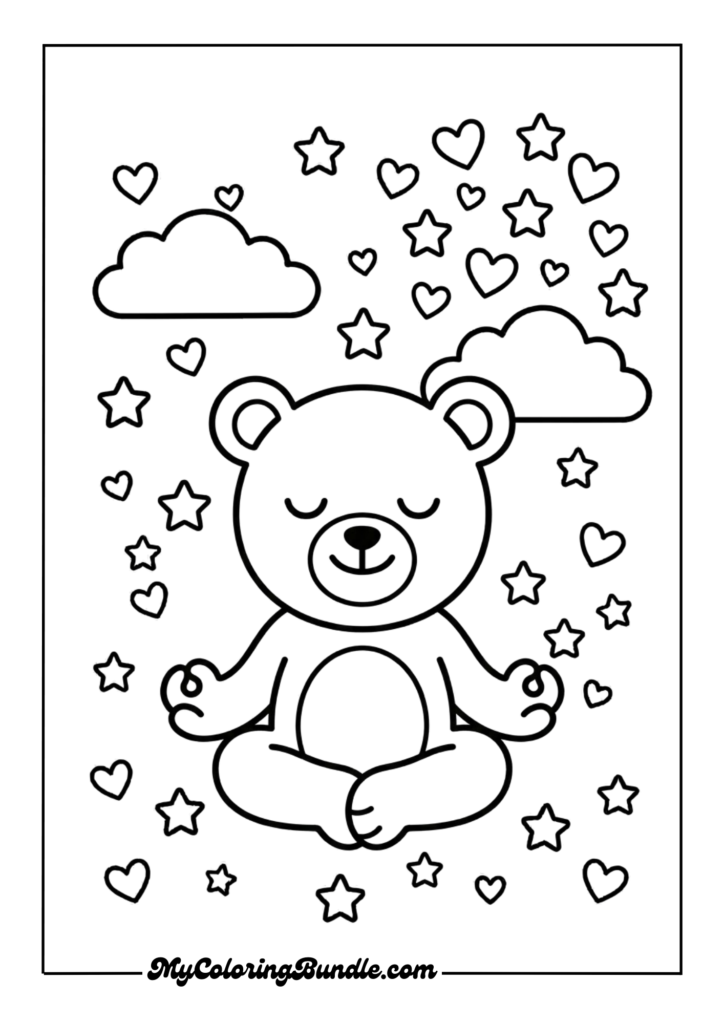
These printable pages include peaceful themes such as animals, nature scenes, and simple mandalas that encourage focus and relaxation. Each page is easy to print and perfect for quiet time at home or in the classroom.
Conclusion
Coloring may seem like a simple activity, but its impact on a child’s emotional well-being can be powerful. By understanding why coloring helps reduce anxiety in children, parents and educators can use this creative activity as a gentle tool for emotional support. Coloring encourages mindfulness, lowers stress levels, and gives children a healthy way to relax and express their feelings.
Providing children with regular opportunities to color can create moments of calm in their daily routine. Over time, these moments help children build emotional resilience, confidence, and creativity. Sometimes the simplest activities—like coloring a picture—can make the biggest difference in helping children feel safe, happy, and relaxed.
FAQ
Q1: How often should children color to reduce anxiety?
Children can benefit from coloring daily or several times per week. Even short coloring sessions of 15–20 minutes can help reduce stress and improve mood.
Q2: Are there specific coloring pages better for relaxation?
Yes. Designs such as mandalas, nature scenes, animals, and simple repeating patterns are especially calming because they encourage focus and gentle repetition.
Q3: Can parents join in the coloring activity?
Absolutely. Coloring together can strengthen family bonds and create a relaxing shared experience. It also helps children feel supported and encourages open conversation.