
We offer a wide collection of free, high-quality printable coloring pages for kids and adults. From cute animals to intricate mandalas, our designs bring creativity and relaxation to everyone. Download, print, and start coloring today!

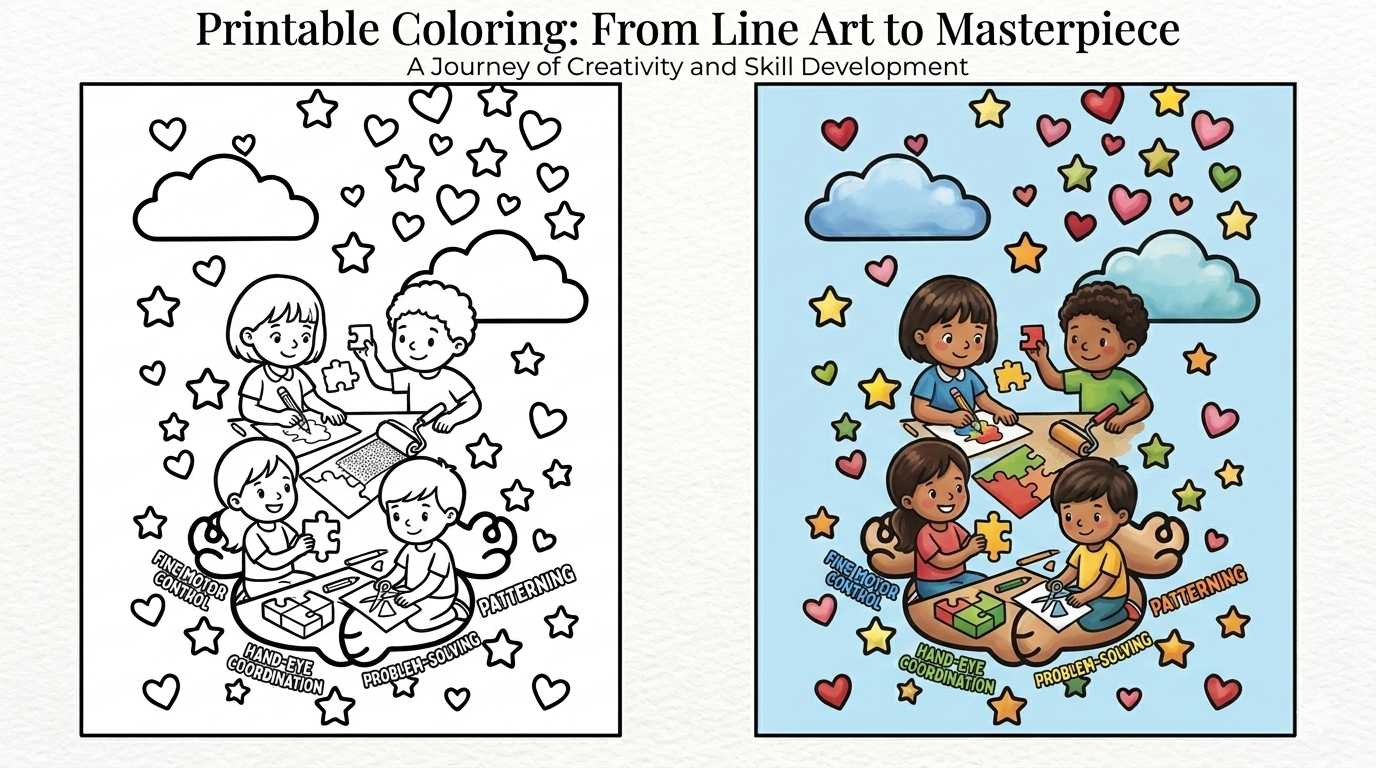
Table of Contents
Introduction
The educational power of printable coloring pages is often underestimated by many parents and teachers. While coloring may seem like a simple and entertaining activity, it actually plays a powerful role in supporting children’s early learning and development. Printable coloring pages combine creativity with education, allowing children to explore shapes, colors, numbers, letters, and real-world concepts in a fun and interactive way.
In today’s digital world, children are often exposed to screens from a very young age. Printable coloring pages offer a healthy alternative that encourages hands-on learning and creative thinking. When children hold crayons, colored pencils, or markers, they actively engage their minds while improving important developmental skills. The act of coloring helps strengthen focus, patience, and hand control, which are essential for writing and other academic activities later in life.
Another advantage of printable coloring pages is their flexibility. Parents and teachers can easily choose pages that match a child’s learning stage or educational topic. For example, a teacher can use alphabet coloring pages to reinforce letter recognition, while parents might choose animal or nature pages to introduce new vocabulary and spark curiosity about the world.
Printable coloring pages also create a relaxed learning environment where children feel free to experiment and express themselves. Instead of feeling pressured to produce perfect results, children can explore colors and ideas in their own way. This freedom encourages creativity, imagination, and confidence—qualities that support both academic success and personal development.
Because of these benefits, coloring pages are widely used in preschools, kindergartens, and early education programs around the world. They transform learning into an enjoyable experience, helping children absorb new information while having fun.
Skills Developed Through Coloring
Coloring activities may look simple, but they support a wide range of educational skills that are essential during early childhood.
Recognition of Shapes and Colors
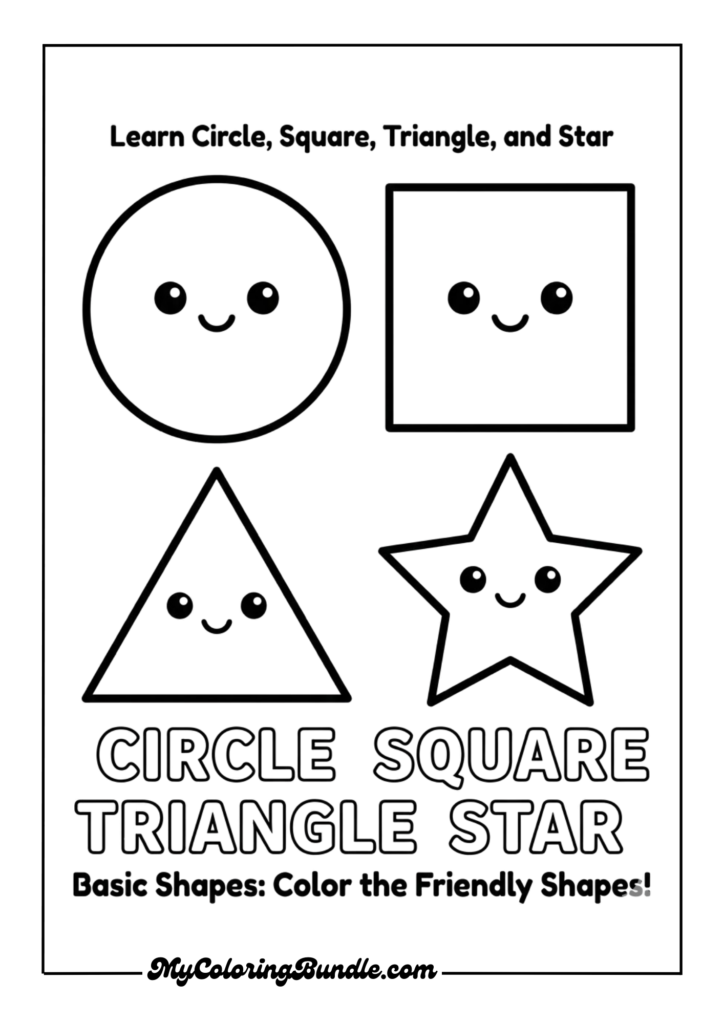
Printable coloring pages help children learn to identify basic shapes such as circles, squares, triangles, and stars. As they color different objects, children also become familiar with a variety of colors and how they relate to the world around them. For example, coloring a tree green or the sun yellow helps children connect colors with real-life objects.
Letter and Number Practice
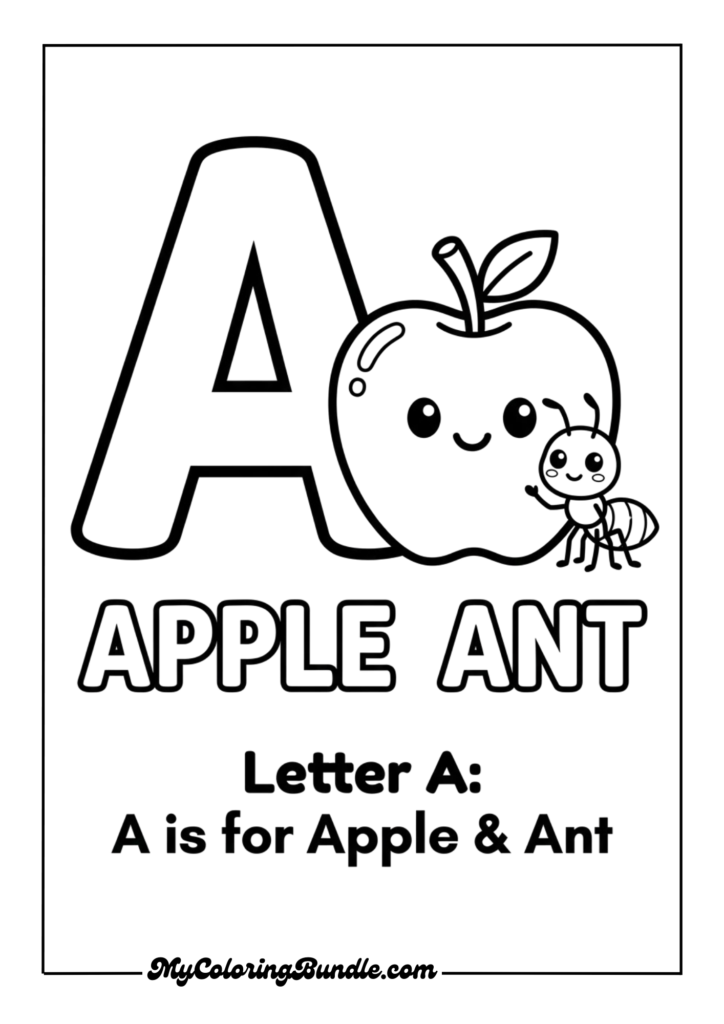
Many educational coloring pages include letters, words, or numbers that children can color while learning. Alphabet coloring pages allow kids to associate letters with objects, such as “A for Apple” or “B for Bear.” Similarly, number coloring pages introduce counting in a playful and visual way.
Concentration and Attention to Detail
Coloring encourages children to slow down and pay attention to details. Staying within lines, choosing colors carefully, and completing a full picture require patience and focus. Over time, these small habits help improve a child’s concentration and ability to complete tasks.
Creativity and Imagination
While educational coloring pages may include learning elements, they also leave room for creativity. Children can experiment with color combinations and add their own artistic touches. This creative freedom stimulates imagination and helps children develop problem-solving skills.
Tips for Educational Coloring
Parents and teachers can make coloring even more effective as a learning tool by using a few simple strategies.

Combine Coloring with Lessons
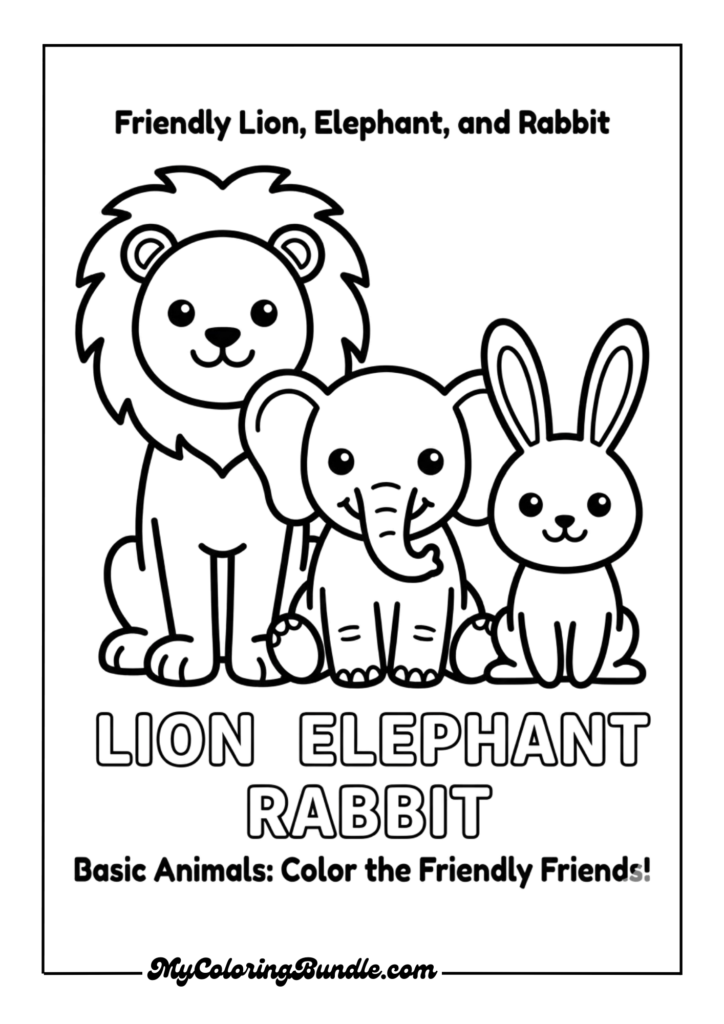
Coloring works best when it is connected to a learning topic. For example, after teaching children about animals, provide coloring pages featuring those animals. This helps reinforce what they just learned while making the lesson more enjoyable.
Use Themed Coloring Pages
Choosing themed coloring pages can make learning more exciting. Pages about seasons, holidays, animals, or space can introduce children to new ideas and expand their knowledge in a creative way.
Encourage Storytelling
After children finish coloring a page, encourage them to talk about their picture. Ask questions like:
- What is happening in your picture?
- Why did you choose those colors?
- Can you create a story about the characters?
Storytelling helps children develop language skills, confidence, and imagination.
Create a Positive Learning Environment
When children color, focus on praising effort and creativity rather than perfection. Positive encouragement helps children feel proud of their work and motivates them to continue learning.
Free Printable Educational Coloring Pages
Printable coloring pages make learning accessible and flexible for both parents and teachers. They can be easily downloaded and printed at home or in the classroom, allowing children to practice educational skills anytime.
Educational coloring pages may include:
- Alphabet coloring pages
- Number and counting pages
- Animal and nature themes
- Shape recognition pages
- Holiday or seasonal learning pages
These printable resources allow children to explore different subjects while enjoying a relaxing and creative activity.
Conclusion
The educational power of printable coloring pages goes far beyond simple entertainment. Coloring helps children develop essential academic and developmental skills, including concentration, creativity, letter recognition, and problem-solving abilities. By combining learning with creativity, coloring pages transform education into an enjoyable experience that motivates children to explore and grow.
Whether used at home or in the classroom, printable coloring pages provide a simple yet effective way to support children’s development. With the right themes and encouragement, this fun activity can become a powerful tool for learning.
FAQ
Q1: Can coloring replace classroom learning?
No. Coloring should not replace traditional lessons, but it works as an excellent supportive activity that reinforces educational concepts in a fun way.
Q2: Are printable coloring pages better than coloring books?
Both options are useful. However, printable coloring pages offer more flexibility because parents and teachers can choose specific themes and topics.
Q3: What age is best for educational coloring?
Educational coloring is most effective for children between the ages of 3 and 10, depending on the complexity of the designs and learning objectives.
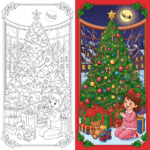

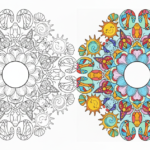

[…] Focus Coloring Page Activity […]