We offer a wide collection of free, high-quality printable coloring pages for kids and adults. From cute animals to intricate mandalas, our designs bring creativity and relaxation to everyone. Download, print, and start coloring today!


Table of Contents
Introduction to the Best Age to Start Coloring Activities for Kids
Many parents ask an important question: what is the best age to start coloring activities for children? Coloring is often seen as a simple and fun pastime, but in reality, it plays a powerful role in early childhood development. From improving fine motor skills to encouraging creativity and concentration, coloring activities provide children with an engaging way to learn while having fun.
In today’s digital world, children are frequently exposed to screens at an early age. While technology can be educational, it is equally important to provide activities that support hands-on learning and creative expression. Coloring pages offer a perfect balance between entertainment and education. With a few crayons or colored pencils and a printable coloring page, children can explore colors, shapes, and imagination while developing essential skills.
The best part is that coloring activities can be introduced gradually as children grow. Toddlers can begin with simple shapes and large outlines, while older children can enjoy more detailed illustrations and patterns. Printable coloring pages make it easy for parents and teachers to adapt coloring activities to a child’s age and ability level.
In this guide, we will explore the best age to start coloring activities, how coloring supports child development at different stages, and how parents can use printable coloring pages to encourage creativity, learning, and confidence.
Understanding the Best Age to Start Coloring Activities for Kids can guide parents in choosing the right time to introduce this essential activity.
Why Coloring Activities Are Important for Child Development
Coloring activities are more than just an enjoyable pastime. They contribute to a child’s physical, emotional, and cognitive development.
When children color, they are practicing several essential skills at the same time.
Key Benefits of Coloring for Kids
- Improves fine motor skills
- Strengthens hand-eye coordination
- Encourages creativity and imagination
- Develops patience and concentration
- Helps children recognize shapes and colors
These benefits make coloring an excellent educational activity for young learners.
Best Age to Start Coloring Activities
Every child develops at their own pace, but most children begin showing interest in coloring between the ages of 18 months and 2 years. At this stage, coloring is less about creating perfect pictures and more about exploring movement and color.
As children grow, their coloring skills gradually improve.
18 Months to 2 Years: First Scribbles
At this early stage, toddlers begin experimenting with crayons and markers. They may not stay within lines or follow shapes, but they enjoy the motion of drawing.
Tips for Parents
- Use thick crayons that are easy to hold
- Provide large coloring pages with simple shapes
- Focus on fun rather than perfection
These first scribbles are an important step toward developing hand control.
Ages 2–3: Learning Basic Shapes
By age two or three, children begin to understand basic shapes and may start recognizing colors.
Coloring activities for this stage should include:
- large circles and squares
- simple animals
- basic objects like stars or flowers
Children may begin attempting to color inside the lines, although this skill develops gradually.
Ages 3–5: Developing Fine Motor Skills
Preschoolers gain more control over their hand movements and begin coloring more carefully. This stage is ideal for introducing educational coloring pages.
Examples include:
- alphabet coloring pages
- number coloring pages
- simple animal illustrations
- basic nature scenes
These activities support both creativity and early learning.
Ages 5–8: Expanding Creativity
As children enter school, their creativity grows rapidly. Coloring pages can now include more details and storytelling elements.
Children may enjoy:
- fantasy characters
- dinosaurs and animals
- nature landscapes
- creative scenes
Coloring becomes not only a learning activity but also a form of artistic expression.
Ages 8 and Above: Advanced Coloring Skills
Older children often enjoy more detailed designs such as patterns and mandalas.
These types of coloring pages encourage:
- deeper concentration
- patience
- artistic experimentation
Even teenagers and adults can benefit from coloring as a relaxing creative activity.
Educational Value of Coloring for Parents and Teachers
Coloring is a powerful teaching tool that can support many areas of learning.
Parents and teachers can use coloring pages to introduce new topics and reinforce lessons.
Learning Through Coloring
Coloring pages can help children learn about:
- animals and nature
- letters and numbers
- shapes and patterns
- seasons and holidays
For example, a child coloring an animal page may also learn about the animal’s habitat or behavior.
This makes coloring an engaging educational activity that combines creativity with learning.
Free Printable Coloring Pages for Kids
Printable coloring pages make it easy to provide children with new activities anytime.
Here are some popular types of coloring pages that children enjoy:
Animal Coloring Pages
Animals are one of the most loved coloring themes. Children enjoy coloring cats, dogs, elephants, and other animals while imagining stories about them.


Nature Coloring Pages
Nature scenes featuring trees, flowers, and butterflies encourage observation and creativity.


Alphabet and Number Coloring Pages
Educational coloring pages help preschool children learn letters and numbers in a fun and interactive way.


Fantasy and Character Coloring Pages
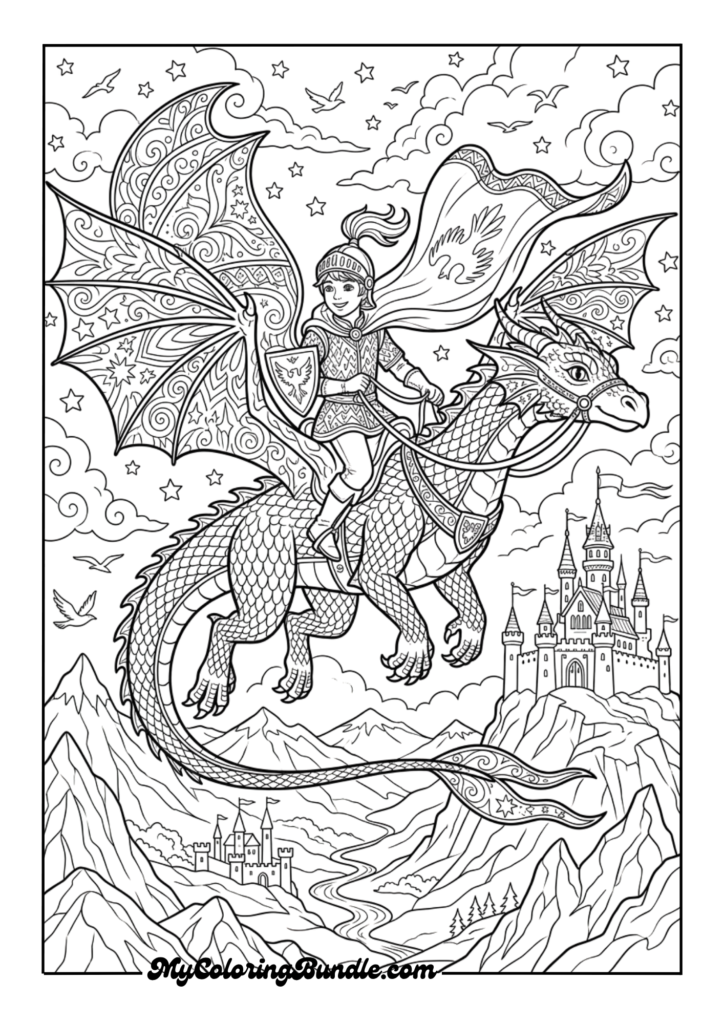
Unicorns, castles, and magical creatures inspire imagination and storytelling.

You may also enjoy reading our related guides:
- Benefits of coloring pages for kids
- How coloring improves fine motor skills
- Coloring for focus and concentration in kids
- Why coloring helps reduce anxiety in children
These articles explain how coloring supports both learning and emotional development.
Premium Printable Coloring Bundle
If your child loves coloring regularly, having a large collection of printable coloring pages can provide endless creative opportunities.
Our Premium Coloring Bundle includes:
- 100+ high-quality printable coloring pages
- animals and nature themes
- educational designs for preschoolers
- mandala and pattern coloring pages
- creative fantasy scenes
The bundle is available as an instant downloadable PDF, making it easy to print new coloring pages whenever children want to create.
This collection is perfect for:
- home learning activities
- classroom use
- creative quiet time
- travel entertainment
Download a Free Coloring Pages PDF
To help children begin their creative journey, we offer a free printable coloring pages PDF.
When you subscribe to our newsletter, you will receive:
- free coloring pages for kids
- new printable collections
- creative activity ideas
- special discounts on premium coloring bundles
Download your free coloring pages today and start exploring creativity with your child.
FAQ: Best Age to Start Coloring Activities
1. What is the best age for children to start coloring?
Most children can begin coloring around 18 months to 2 years old with simple scribbling activities.
2. Should toddlers color inside the lines?
No. Toddlers should be encouraged to explore freely. Staying within lines develops naturally as motor skills improve.
3. What types of coloring pages are best for preschoolers?
Preschoolers benefit from simple designs such as animals, shapes, and alphabet coloring pages.
4. How long should coloring sessions last?
Young children can enjoy 10–20 minute coloring sessions, while older children may focus longer.
5. Can coloring help children learn?
Yes. Coloring supports learning by improving motor skills, focus, creativity, and visual recognition.
Conclusion
Coloring activities are one of the easiest and most effective ways to support a child’s development. From the first scribbles of a toddler to the detailed artwork of older children, coloring helps build creativity, confidence, and essential learning skills.
Starting coloring activities at the right age allows children to explore colors, shapes, and imagination while developing important motor and cognitive abilities. Printable coloring pages provide endless opportunities for creative exploration, making them a valuable resource for both parents and teachers.
By encouraging children to color regularly, you create a positive learning environment where creativity and curiosity can flourish. A simple coloring page and a box of crayons can open the door to imagination, artistic expression, and joyful learning.