
We offer a wide collection of free, high-quality printable coloring pages for kids and adults. From cute animals to intricate mandalas, our designs bring creativity and relaxation to everyone. Download, print, and start coloring today!


Table of Contents
Introduction
Many parents and educators often wonder how coloring improves fine motor skills and whether such a simple activity can truly make a difference in a child’s development. The truth is that coloring is far more than just entertainment. It is one of the most effective early childhood activities for strengthening the small muscles in a child’s hands and fingers. These small muscles are responsible for important daily tasks such as holding a pencil, buttoning clothes, tying shoelaces, and eventually writing clearly and confidently.
Understanding how coloring improves fine motor skills begins with recognizing how children interact with crayons, markers, and colored pencils. When a child grips a crayon, controls movement inside lines, and carefully fills shapes with color, they are practicing coordination, precision, and muscle control. These repetitive hand movements gradually build strength and stability, which are essential for fine motor development.
Printable coloring pages for kids provide structured opportunities for practice. Unlike random scribbling, coloring within defined shapes encourages controlled motion and hand-eye coordination. Over time, children improve their grip strength, increase their attention span, and develop the patience needed for more advanced learning tasks. This is exactly how coloring improves fine motor skills in a natural, pressure-free way.
In early childhood education, fine motor skills are considered a foundation for academic success. Before children can master handwriting, they must first build the muscle strength and coordination required to hold and move a pencil effectively. Coloring activities offer a gentle and enjoyable way to prepare children for writing readiness while keeping them engaged in creative expression.
By consistently using printable coloring pages designed for different age levels, parents can actively support preschool fine motor development at home. Whether it is simple large shapes for toddlers or slightly detailed illustrations for older children, every coloring session contributes to stronger hands, better control, and improved coordination. That is why understanding how coloring improves fine motor skills can help transform a simple activity into a powerful developmental tool.
How Coloring Improves Fine Motor Skills Through Daily Practice
One of the main ways how coloring improves fine motor skills is through repetition and control. When children color regularly, they naturally develop:
- Better hand-eye coordination
- Stronger grip strength
- Improved writing readiness
Coloring inside lines requires focus and small controlled movements, which are essential for preschool fine motor development.
Why Fine Motor Skills Matter for Kids
Fine motor skills allow children to complete important everyday tasks such as:
- Holding a pencil correctly
- Buttoning clothes
- Using scissors
- Writing letters and numbers
By practicing coloring activities, children strengthen the muscles needed for these tasks.
The Science Behind How Coloring Improves Fine Motor Skills
Coloring strengthens finger muscles because children must grip crayons and apply pressure. This improves:
- Precision
- Control
- Stability
- Patience
Printable coloring pages for kids provide structured hand-eye coordination activities that gradually refine motor control.
Why Fine Motor Skills Matter
Fine motor skills involve the small muscles of the hands and fingers working together with the eyes. These skills are foundational for early childhood development and school readiness.
Hand-Eye Coordination
Hand-eye coordination allows children to guide their hand movements based on what they see. When coloring within the lines, children must visually track shapes and carefully control their movements. This coordination is essential for writing letters, cutting with scissors, and completing classroom tasks.
Grip Strength
Holding and controlling crayons helps strengthen grip strength. A proper pencil grip is necessary for handwriting development. Without strong finger muscles, children may struggle with writing for extended periods. Coloring provides a natural and enjoyable way to build this strength without pressure.
Writing Readiness
Before children can write letters and numbers, they must develop control over small hand movements. Coloring helps them practice staying within boundaries, making smooth strokes, and adjusting pressure. These early skills directly support handwriting readiness and overall academic development.
How Coloring Helps Improve Fine Motor Skills
Printable coloring pages are especially effective because they provide structured practice in a playful way. Here’s how coloring actively supports motor development:
Strengthens Finger Muscles
Coloring requires children to grip tools and move them in controlled directions. Repeated coloring sessions gradually strengthen the muscles responsible for writing and drawing. Over time, children develop better endurance and control.
Improves Precision and Control
Staying inside the lines encourages precision. Even if children do not always color perfectly within boundaries, the effort itself trains their hands to make smaller, more controlled movements. This improves accuracy in writing and other fine motor activities.
Encourages Practice and Patience
Fine motor skills improve through repetition. Coloring is enjoyable, which motivates children to practice regularly without feeling like they are doing “work.” As they complete pages, they also develop patience and focus — skills that benefit them in school and daily life.
Supports Bilateral Coordination
Coloring also promotes the use of both hands together. One hand holds the paper steady while the other colors. This coordination strengthens overall hand stability and balance.
Tips for Using Coloring Pages to Build Motor Skills
To maximize the developmental benefits, parents and educators can follow these simple strategies:
- Start with Large Shapes: For toddlers, choose simple designs with thick lines and large spaces.
- Use Age-Appropriate Tools: Short crayons or triangular pencils help encourage proper grip.
- Encourage Proper Posture: Sitting at a table with good back support improves control.
- Keep Sessions Short: 10–20 minutes is ideal, especially for younger children.
- Gradually Increase Complexity: As skills improve, introduce more detailed coloring pages.
Free Printable Fine Motor Skills Coloring Pages
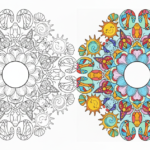
We’ve created a collection of printable coloring pages designed specifically to support fine motor development. These pages include simple shapes for toddlers and more detailed designs for older children.
👉 Download Fine Motor Skills Coloring Pages Here
Each printable sheet is easy to download, high-quality, and perfect for home or classroom use.
Conclusion
Coloring is far more than a creative pastime — it is an essential developmental activity that prepares children for writing, academic success, and everyday independence. By strengthening finger muscles, improving hand-eye coordination, and encouraging precision, coloring helps build the foundation for strong fine motor skills.
Incorporating printable coloring pages into your child’s daily routine is a simple yet powerful way to support their growth while keeping learning fun and engaging.
FAQ
Q1: At what age should kids start coloring for motor skills?
Children can begin around ages 2–3 with simple shapes and large coloring areas. At this stage, the goal is exploration and muscle development rather than perfection.
Q2: How long should coloring sessions last?
For young children, 10–20 minutes is ideal. As they grow older, sessions can gradually increase depending on attention span and interest.
Q3: Can older kids benefit from coloring, too?
Absolutely. More detailed and complex coloring pages challenge older children’s precision, control, and focus, further refining their fine motor skills.



[…] How Coloring Improves Fine Motor Skills […]