We offer a wide collection of free, high-quality printable coloring pages for kids and adults. From cute animals to intricate mandalas, our designs bring creativity and relaxation to everyone. Download, print, and start coloring today!


Table of Contents
Introduction
How parents can use coloring for learning is a powerful idea that transforms a simple activity into an effective educational tool. Coloring is often seen as entertainment for children, but it can also support learning in meaningful and engaging ways. From teaching letters and numbers to improving focus and creativity, coloring activities provide a hands-on approach that helps children absorb information naturally.
In today’s digital world, many children spend a large portion of their time using screens. While technology can be useful, it is important to balance it with activities that encourage creativity, concentration, and real-world interaction. Coloring pages offer a screen-free solution that combines fun with education. With just a few crayons and printable coloring sheets, children can explore new ideas while developing essential skills.
Parents play a key role in guiding this process. By choosing the right coloring pages and adding simple learning strategies, they can turn coloring time into an opportunity for growth. Whether it’s learning the alphabet, recognizing shapes, or understanding nature, coloring makes education feel enjoyable instead of stressful.
In this article, we will explore how parents can use coloring for learning, the educational benefits of coloring activities, and practical ways to make coloring a fun and effective learning experience at home.
Why Coloring Is a Powerful Learning Tool
Coloring engages both the mind and body, making it an ideal activity for young learners. It combines creativity with skill development, allowing children to learn without feeling pressured.
Key Educational Benefits of Coloring
- Improves fine motor skills
- Strengthens hand-eye coordination
- Encourages creativity and imagination
- Builds focus and concentration
- Supports early learning concepts
Coloring is especially effective because it allows children to learn through play, which is one of the most natural ways for them to understand the world.
How Parents Can Use Coloring for Learning at Home
Parents can turn simple coloring sessions into valuable learning experiences by adding small educational elements.
Teach Letters and Numbers
Coloring pages that include letters and numbers help children recognize and remember them more easily.
Example Activities
- Color each letter while saying its sound
- Match numbers with objects on the page
- Trace letters before coloring them
These activities support early reading and math skills.
Introduce Colors and Shapes
Coloring is a perfect way to teach children about colors and shapes.
Parents can ask questions like:
- “Can you find all the circles?”
- “What color will you use for the triangle?”
This encourages children to observe and think while coloring.
Encourage Storytelling
Coloring pages can inspire imagination and storytelling.
Example
If a child is coloring an animal scene, ask:
- “Where does this animal live?”
- “What is it doing?”
This helps children develop language skills and creativity.
Build Focus and Patience
Coloring requires children to stay within lines and complete a task step by step.
Parents can encourage:
- finishing one page before starting another
- taking time to color carefully
These habits improve concentration and persistence.
Educational Value for Parents and Kids
Coloring creates a shared learning experience that benefits both children and parents.
For Children
- Develops creativity and self-expression
- Improves attention and problem-solving skills
- Builds confidence through completed artwork
For Parents
- Easy way to teach without pressure
- Opportunity to bond with children
- Flexible activity that fits any schedule
When parents participate in coloring activities, children feel supported and motivated to learn.
Free Printable Coloring Pages for Learning
Printable coloring pages make it easy to introduce educational activities at home.
Here are some useful types of coloring pages:
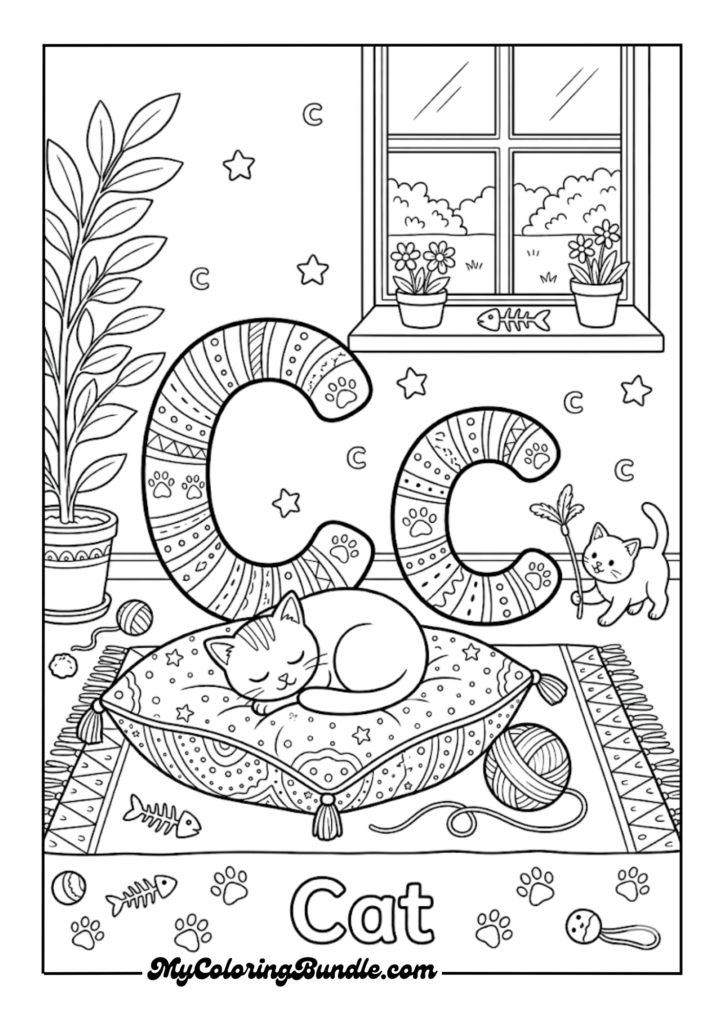
Alphabet Coloring Pages
Help children learn letters while associating them with objects.

Number Coloring Pages
Support counting and number recognition.


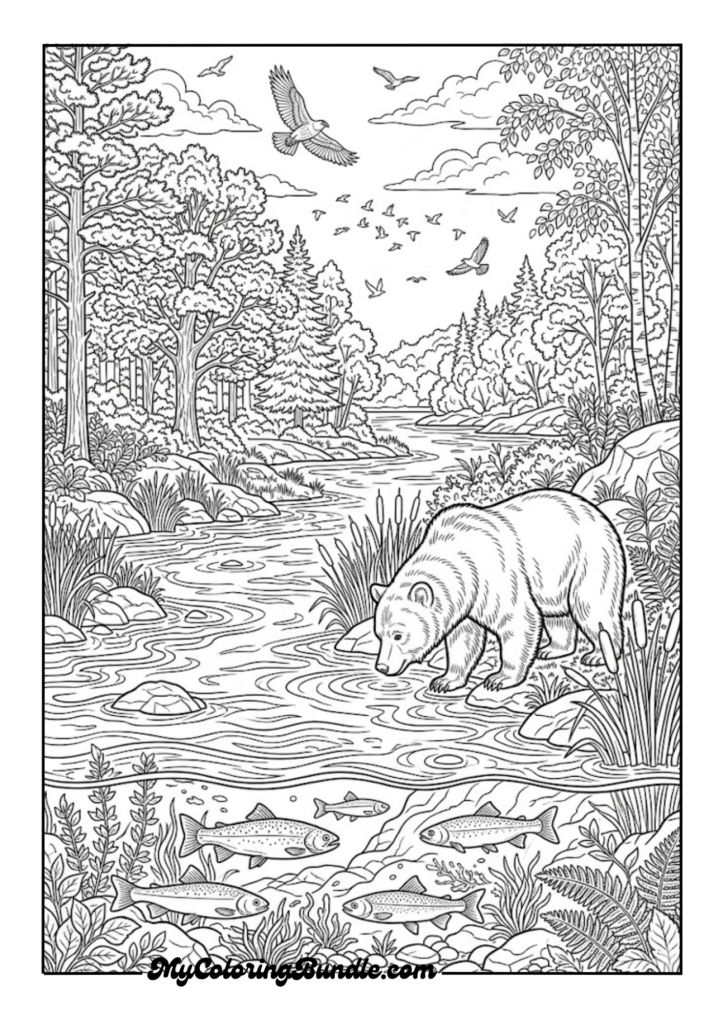
Animal and Nature Coloring Pages
Teach children about the world around them while encouraging creativity.

Shape and Pattern Coloring Pages
Help children recognize basic shapes and develop visual skills.


You may also enjoy reading our related articles:
- Benefits of coloring pages for kids
- How coloring improves fine motor skills
- Coloring for focus and concentration in kids
- Best age to start coloring activities
These guides provide more ideas on how to use coloring as a learning tool.
Premium Printable Coloring Bundle
If you want to expand your child’s learning experience, a large collection of coloring pages can be very helpful.
Our Premium Coloring Bundle includes:
- 100+ printable coloring pages
- educational themes (letters, numbers, shapes)
- animals and nature scenes
- creative and fun designs
- mandala and pattern coloring pages
The bundle is available as an instant downloadable PDF, making it easy to print and use anytime.
It is perfect for:
- home learning
- preschool activities
- creative playtime
- travel entertainment
Download a Free Coloring Pages PDF
To help you get started, we offer a free printable coloring pages PDF designed for learning and creativity.
When you subscribe, you will receive:
- free coloring pages for kids
- educational activity ideas
- new printable collections
- exclusive discounts on premium bundles
Download your free coloring pages and start learning through creativity today.
FAQ: How Parents Can Use Coloring for Learning
1. How can coloring help children learn?
Coloring helps children develop motor skills, recognize colors and shapes, and improve focus while learning in a fun way.
2. What age is best for learning through coloring?
Children can start learning through coloring as early as 2–3 years old with simple shapes and designs.
3. How long should coloring sessions last?
Short sessions of 10–20 minutes are ideal for younger children, while older kids can focus longer.
4. What types of coloring pages are best for education?
Alphabet, number, shape, and themed coloring pages are great for learning.
5. Can parents color with their children?
Yes. Coloring together strengthens bonding and makes learning more enjoyable.
Conclusion
Coloring is much more than a simple activity—it is a powerful educational tool that parents can use to support their child’s development. By combining creativity with learning, coloring helps children build essential skills such as focus, coordination, and problem-solving.
Parents can easily turn coloring time into a meaningful learning experience by choosing educational coloring pages and encouraging interaction. Whether children are learning letters, exploring shapes, or imagining stories, coloring makes the process enjoyable and engaging.
With printable coloring pages, learning becomes accessible, flexible, and fun. Encouraging children to color regularly not only boosts creativity but also builds a strong foundation for future learning.